Noticing a leaning tree in your yard or large branches hanging over your roof can be unsettling. You may already sense that something needs to be done, but knowing where to start, what questions to ask, and how to stay safe throughout the process is often less clear.
This guide walks you through the key things every Meriden homeowner should understand before making decisions about tree removal, from recognizing warning signs to choosing the right approach for your property.
How Do You Know When a Tree Actually Needs to Be Removed?
Not every damaged or unhealthy tree needs to come down. In many cases, pruning or treatment is enough. But there are situations where removal becomes the safer and more practical option.
Signs that a tree may need to be removed include:
- More than half of the tree is dead or visibly decaying
- The trunk has large cracks, hollow sections, or signs of rot at the base
- The tree is leaning noticeably, and the lean has increased recently
- Mushrooms or fungal growth are appearing around the roots or base
- Major branches are dead or falling without any storm event
A certified arborist can assess the tree and give you an honest recommendation. In many cases, they may suggest options that preserve the tree rather than remove it entirely.
Understanding Hazardous Tree Removal Meriden
Hazardous tree removal Meriden takes on added importance when trees are located near homes, power lines, or high-traffic areas. A hazardous tree is one that poses a risk of failure, meaning the whole tree or a significant part of it could fall and cause injury or property damage.
What makes a tree hazardous is not always obvious from the ground. A tree may appear healthy on the outside while experiencing internal decay that weakens its structure significantly. Wind, ice storms, and heavy rainfall can accelerate the risk, especially during Connecticut’s winter and spring seasons.
If you suspect a tree on your property may be hazardous, it is best to have it evaluated sooner rather than later, especially if it is near a structure, a fence, or a regularly used area of your yard.
What Happens During Emergency Tree Removal?
Acting Quickly, But Safely
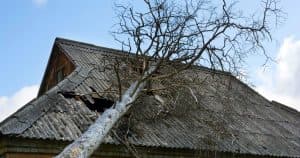
Storms and severe weather can turn a manageable tree situation into an urgent one overnight. Emergency tree removal in Meriden is typically needed when a tree has already fallen, is partially uprooted, or has suffered major structural damage that makes it an immediate hazard.
If you are dealing with an emergency situation, here are some practical steps to follow:
- Do not attempt to move or cut a fallen tree yourself, especially if it is near power lines
- Contact your utility company immediately if lines are involved
- Document the damage with photos for insurance purposes
- Keep people and pets away from the affected area
- Reach out to a licensed Meriden tree service that offers emergency response
Professional crews have the training and equipment to safely handle these situations. Acting quickly helps prevent additional damage, but acting safely matters just as much.
DIY vs. Hiring a Professional: What You Should Know
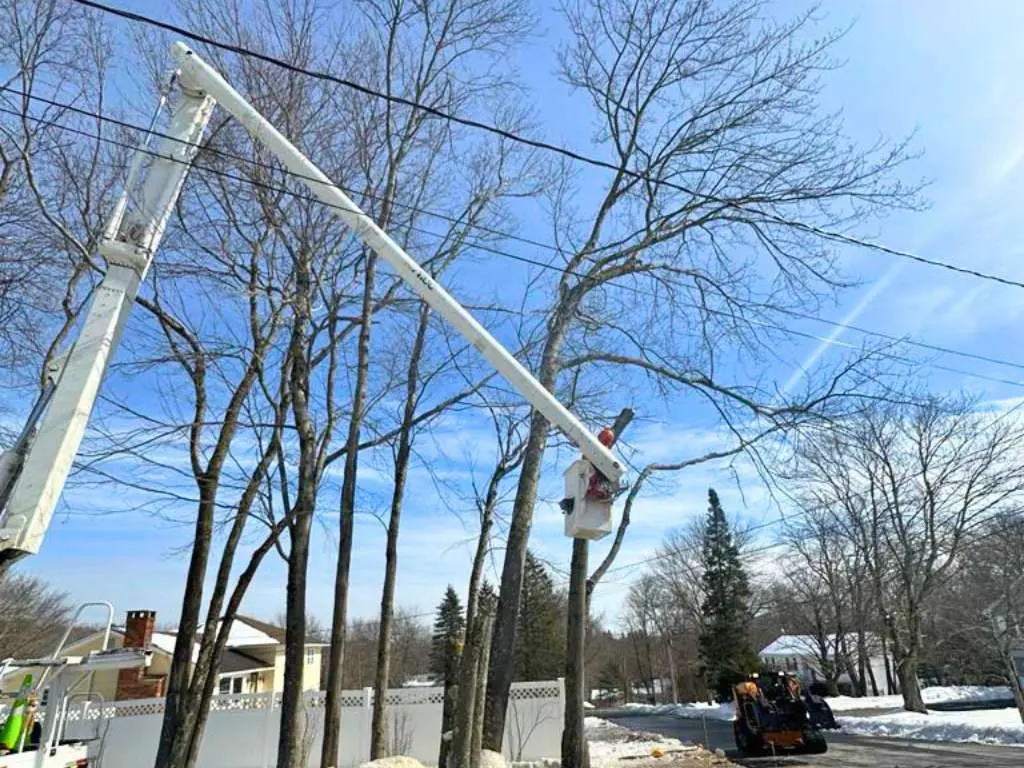
It can be tempting to handle tree work on your own, particularly for smaller jobs. For minor pruning of low branches, that may be reasonable. However, removing an entire tree, or dealing with a tree near structures, carries significant risk without the right training and equipment.
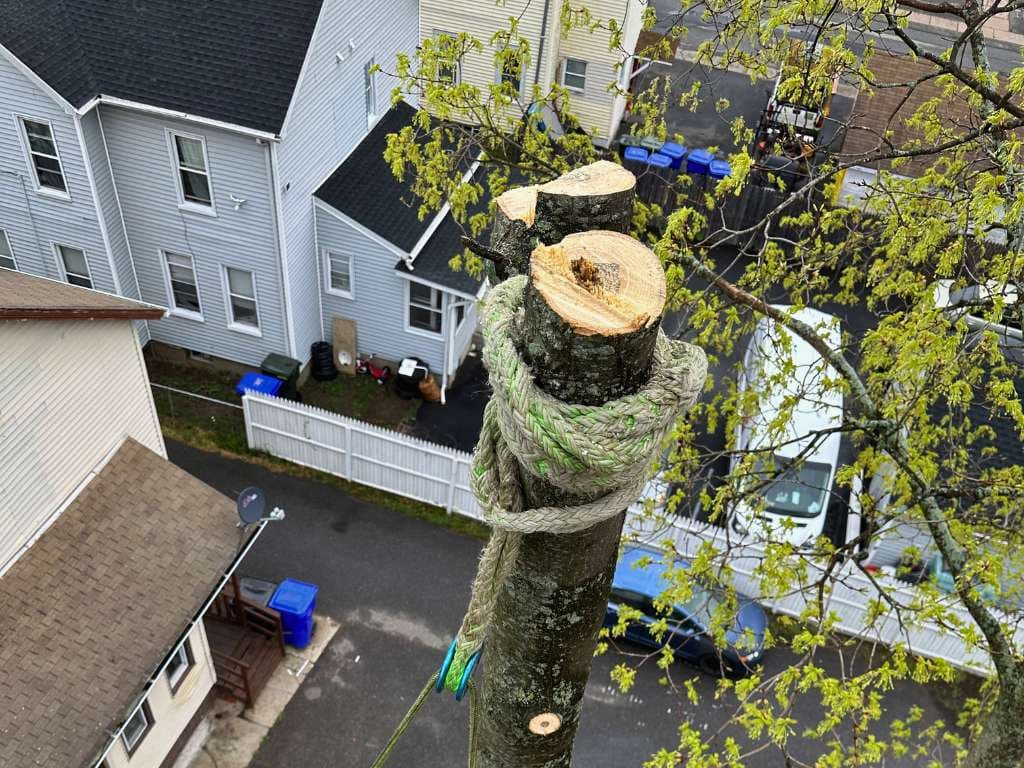
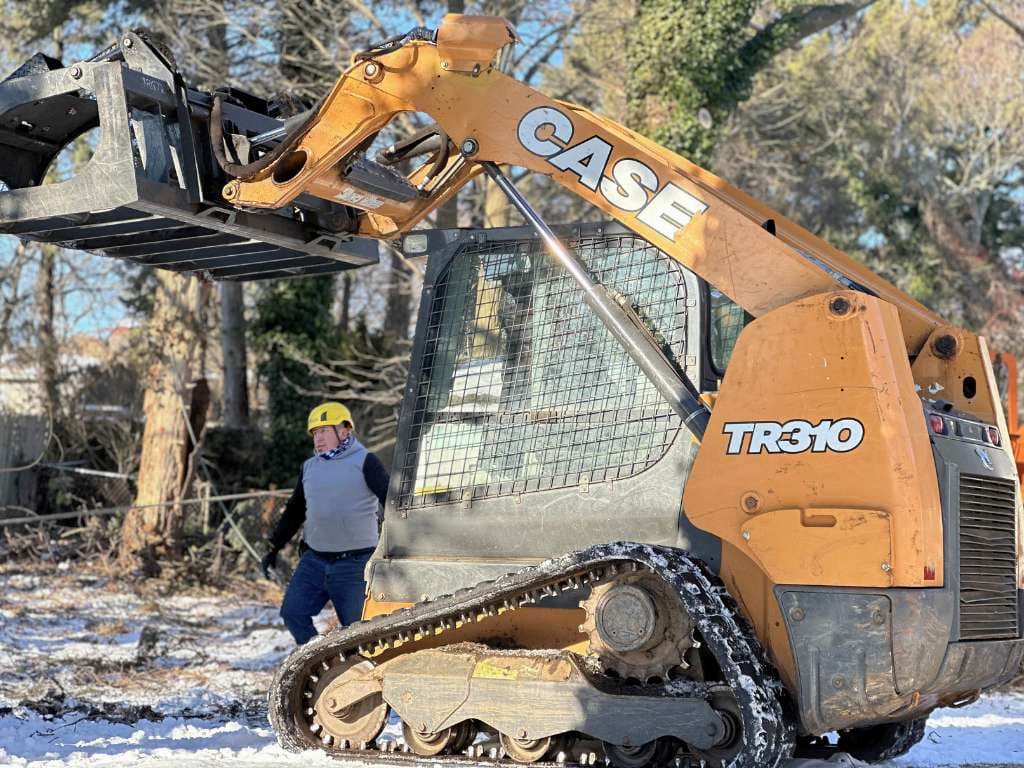
Tree removal involves working at height, managing the direction of a fall, and operating heavy equipment. Mistakes can result in serious injury, damage to your home, or harm to neighboring properties. This is why most homeowners in Connecticut hire a licensed and insured professional, especially for anything beyond light maintenance.
When evaluating tree service options, look for contractors who are licensed in Connecticut, carry liability insurance and workers’ compensation, and can provide references or reviews from local clients.
Why Tree Decisions Can Feel Complicated, and Why That Is Okay
Many homeowners feel uncertain when facing a tree removal decision, and that is completely understandable. Trees have value, aesthetic, environmental, and sometimes sentimental, and removal feels like a permanent step. At the same time, the risks of leaving a hazardous tree in place are real.
The good news is that you do not have to figure this out alone. A professional assessment gives you clear, objective information about the condition of your tree and your options. From there, you can make a decision that is right for your property, your family, and your budget, without pressure or guesswork.
Key Takeaways for Meriden Homeowners
When it comes to Meriden tree removal, the most important thing is to approach the situation with the right information rather than reacting out of panic or delaying out of uncertainty.
A few things worth remembering:
- Not every damaged tree needs to be removed; get a professional assessment first
- Hazardous trees near structures should be evaluated promptly
- Emergencies require professional help, not DIY attempts
- Choosing a licensed, insured local tree service protects you throughout the process
If you are unsure about a tree on your property, the best next step is simply to have it looked at by someone with the training to give you honest, informed guidance.
If you would like to learn more or explore support options, SKJ Tree Removal is available to help homeowners throughout Meriden and surrounding Connecticut towns. Visit www.skjtreeremoval.com to request a free quote.
Frequently Asked Questions
1. How do I know if my tree is dangerous?
Look for signs like a significant lean, large cracks in the trunk, dead or falling branches, and fungal growth at the base. If you notice any of these, a professional evaluation is the safest next step.
2. Is a permit required for tree removal in Meriden, CT?
Permit requirements vary depending on the tree’s location, size, and species. It is worth checking with the City of Meriden or your contractor, as some removals, particularly on public property lines, may require prior approval.
3. What should I do if a tree falls on my house during a storm?
Prioritize safety first: keep everyone away from the area and avoid entering the affected part of the structure. Contact your homeowner’s insurance company and a licensed emergency tree service as soon as it is safe to do so.
4. How long does tree removal typically take?
Most residential tree removals are completed within a few hours to a full day, depending on the size and location of the tree. Your contractor should be able to give you a time estimate after assessing the site.