Dealing with a dangerous or damaged tree on your property can feel overwhelming. Whether it’s a storm-damaged oak leaning toward your home or an overgrown tree blocking sunlight, knowing how to approach tree removal Burlington safely is crucial for protecting both your property and your family.
This guide walks you through the key steps, safety considerations, and expert insights you need to handle tree removal with confidence, as well as when it’s time to call in professionals.
Understanding When a Tree Needs to Be Removed
Not every struggling tree requires removal, but certain warning signs shouldn’t be ignored. Look for large dead branches, visible decay at the base, or significant leaning that’s getting worse over time. Trees with root damage from construction or severe storm damage often become unstable and pose real risks.
Sometimes the issue isn’t danger, it’s location. A tree growing too close to power lines, your foundation, or a septic system may need removal before it causes costly damage. Understanding these signs helps you make informed decisions about your property’s safety.
Safety Considerations You Can’t Skip
Tree removal is one of the most dangerous tasks in landscaping. Every year, homeowners are seriously injured attempting DIY removal without proper equipment or knowledge. Here’s what makes it risky:
Falling hazards are unpredictable. Trees rarely fall exactly where you expect, especially if they’re already leaning or have hidden internal rot. Power lines add another layer of danger; one wrong move can cause electrocution or widespread outages.
Equipment requirements go far beyond a chainsaw. Professional Burlington tree service teams use specialized rigging systems, safety gear, and climbing equipment designed specifically for controlled removal. Without this equipment and training, you’re putting yourself and nearby structures at serious risk.
If your tree is near buildings, utility lines, or shows signs of instability, professional help isn’t just recommended; it’s essential.
The Professional Tree Removal Process
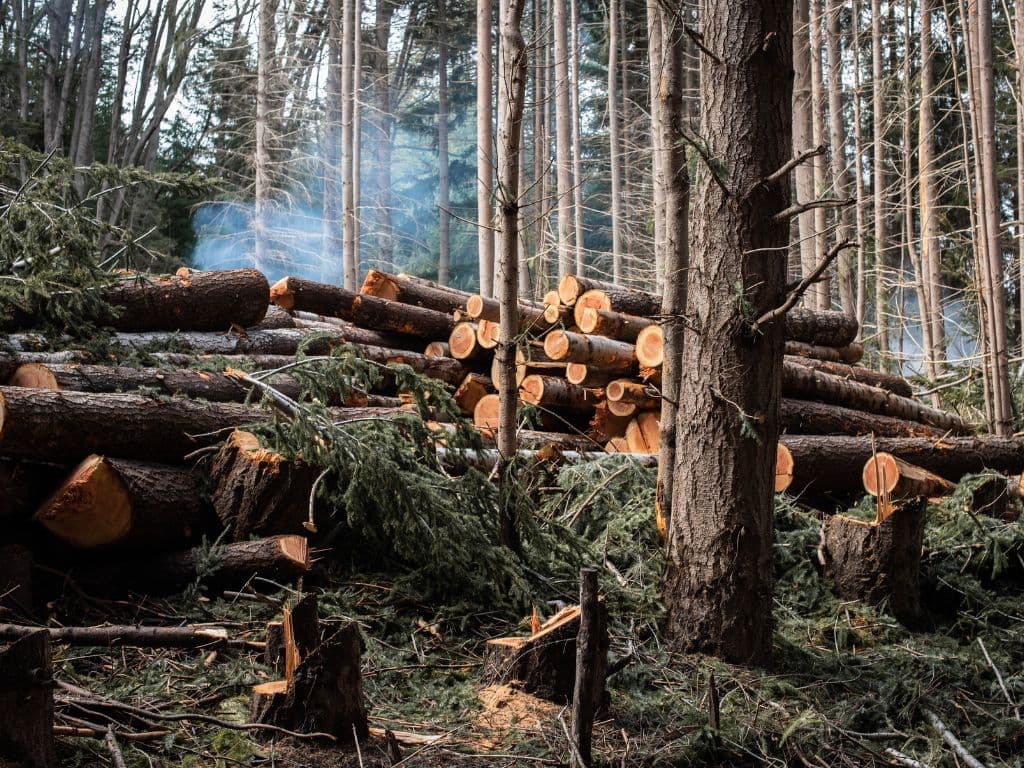
Understanding how experts approach tree removal can help you appreciate why experience matters. The process typically starts with a thorough assessment of the tree’s condition, lean direction, and surrounding hazards.
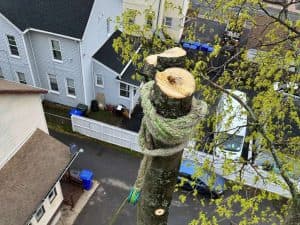
For hazardous tree removal Burlington specialists, the next step involves creating a removal plan that accounts for drop zones, rigging points, and escape routes. Large trees are often removed in sections from top to bottom, with each piece carefully lowered using ropes and pulleys.
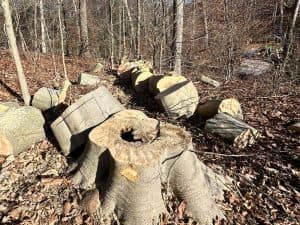
Cleanup and stump grinding finish the job, leaving your property clear and ready for whatever comes next, whether that’s new landscaping or simply reclaiming your yard space.
When Emergency Removal Can’t Wait
Some situations demand immediate attention. Trees that have fallen on structures, are touching power lines, or are actively splitting need emergency tree removal in Burlington. Storm damage often creates these urgent scenarios, where waiting even a day could mean additional property damage or safety risks.
In emergencies, don’t attempt removal yourself. Contact professionals who offer 24/7 response and have experience navigating insurance claims. They’ll stabilize the situation quickly while documenting everything for your insurer.
Making the Right Choice for Your Property
The decision between DIY and professional help comes down to size, location, and risk. Small, isolated trees might be manageable with proper tools and knowledge. But most residential tree removal, especially involving mature trees, challenging locations, or storm damage, requires professional expertise.
Consider the true cost of DIY attempts: equipment rental, disposal fees, your time, and most importantly, the risk of injury or property damage. Professional services include liability insurance, proper disposal, and the peace of mind that comes from knowing the job is done safely.
Taking the Next Step
Safely handling tree removal starts with recognizing when you’re facing a job that requires professional knowledge and equipment. Whether you’re dealing with storm damage, hazardous trees, or simply overgrown landscaping, understanding the process and risks helps you protect your property and family.
If you’re facing tree concerns and need guidance or professional support, SKJ Tree Removal is available to help. We’re here to answer questions, assess your situation, and ensure your property stays safe.
Quick FAQ
How do I know if a tree is too dangerous to remove myself?
If the tree is taller than 15 feet, near power lines, leaning toward structures, or showing signs of decay, professional removal is the safer choice. These factors significantly increase risk.
What happens if a tree falls on my house during a storm?
Contact emergency tree removal services immediately, then notify your insurance company. Professionals can safely remove the tree and provide documentation for your claim.
Can I just cut down a tree in sections from the ground?
This approach is extremely dangerous without proper training and equipment. Sections can fall unpredictably, and you lose control of where pieces land, risking injury and property damage.
How long does professional tree removal typically take?
Most residential tree removals take 2-8 hours, depending on tree size, location, and complexity. Emergency situations may be prioritized for faster response times.