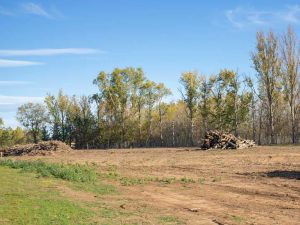
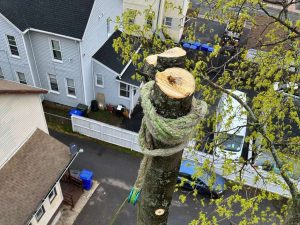
If you’re thinking about clearing a portion of your property in Bristol, CT, you probably have a good reason. Maybe you’re preparing a site for construction, cleaning up overgrown land, or simply reclaiming usable outdoor space that’s been taken over by brush and trees.
Before any work begins, though, there are a few important things worth checking. A little preparation up front can make the whole process smoother, safer, and more efficient. This guide walks you through the key factors to assess before brush and lot clearing in Bristol CT gets underway.
Start with the Boundaries: Know What You Own
One of the most common oversights homeowners make before clearing land is not confirming their exact property lines. Clearing beyond your boundary, even unintentionally, can create disputes with neighbors and potential legal complications.
Before scheduling any work, take time to:
- Locate your property survey or deed documents
- Identify any boundary markers already on the ground
- Consult with your local land records office if you’re unsure
This step costs very little time but can save a lot of headaches down the road.
Check for Permits and Local Regulations in Bristol
Connecticut towns each have their own rules about land disturbance, tree removal, and grading. Bristol is no exception. Depending on the size of the area you’re clearing and what you plan to do with it afterward, you may need permits from the town or state.
Some areas to look into include:
- Inland Wetlands regulations, if your property is near a wetland or watercourse, additional approvals may apply
- Zoning bylaws that restrict clearing in certain residential zones
- Erosion and sediment control requirements for larger projects
Reaching out to the Bristol Planning and Zoning Department ahead of time is always a smart move. It’s far easier to handle permits before work starts than to deal with stop-work orders after.
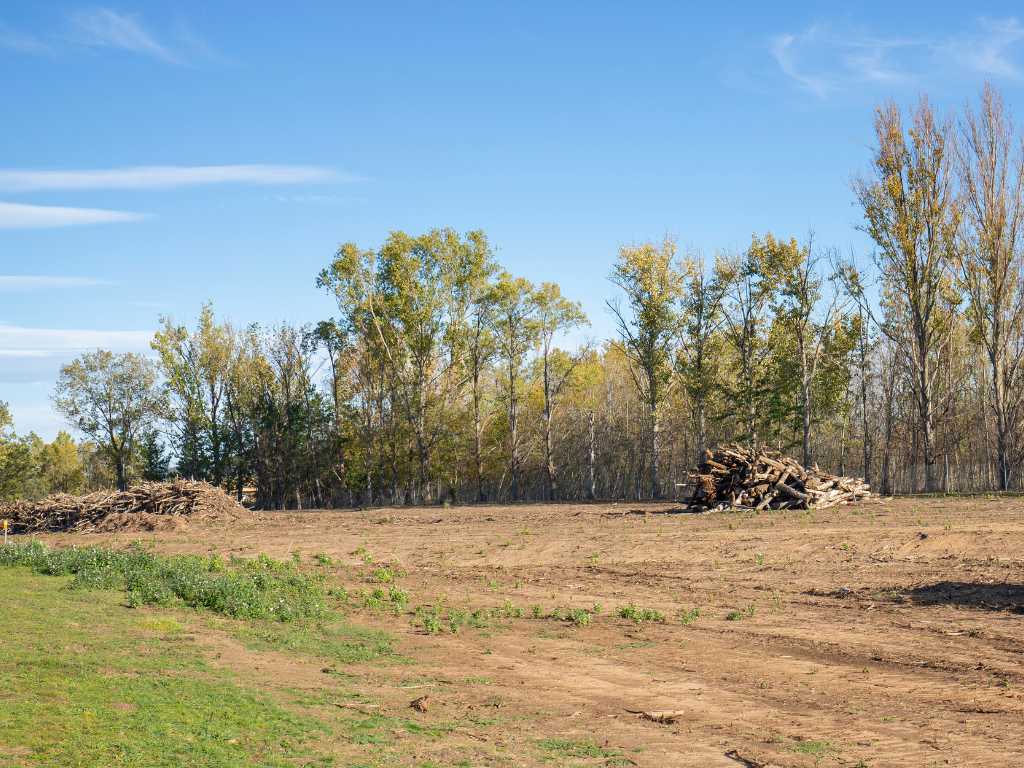
Land Clearing Bristol CT: Assess What’s Actually on the Property
Not all overgrown land is the same. Before professional land clearing Bristol CT can be properly planned, it helps to understand what’s out there. Walk the property and take note of:
- Large trees that may require specialized removal versus smaller brush
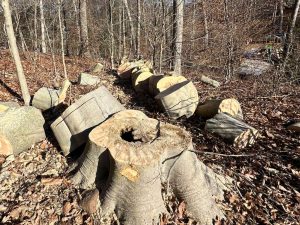
- Stumps or root systems from previously removed trees
- Invasive species like multiflora rose, bittersweet, or Japanese knotweed
- Debris piles, old fencing, or abandoned structures
This kind of walk-through gives you a clearer picture of the scope of work and helps any contractor give you a more accurate assessment.
Understand Soil and Drainage Conditions
Connecticut soil can be unpredictable, especially after a wet season. If your land has standing water, soft spots, or steep slopes, these conditions can affect how and when clearing can safely happen.
Wet or unstable ground can limit equipment access and increase the risk of soil compaction or erosion. In some cases, it’s worth waiting for drier conditions or addressing drainage issues before clearing begins. Knowing this in advance helps set realistic timelines.
Consider What Comes After the Clearing
It’s easy to focus entirely on the removal side of things, but the plan for what happens after matters just as much. Bristol CT land clearing services are most effective when the work aligns with your end goal.
Ask yourself:
- Will the cleared area be graded or leveled for construction?
- Are you planning to seed or sod the ground afterward?
- Do you want stumps fully ground or removed versus just cut to grade?
- Will wood and debris be chipped on-site or hauled away?
Having clear answers to these questions helps ensure the clearing is done in a way that sets up your next steps for success.
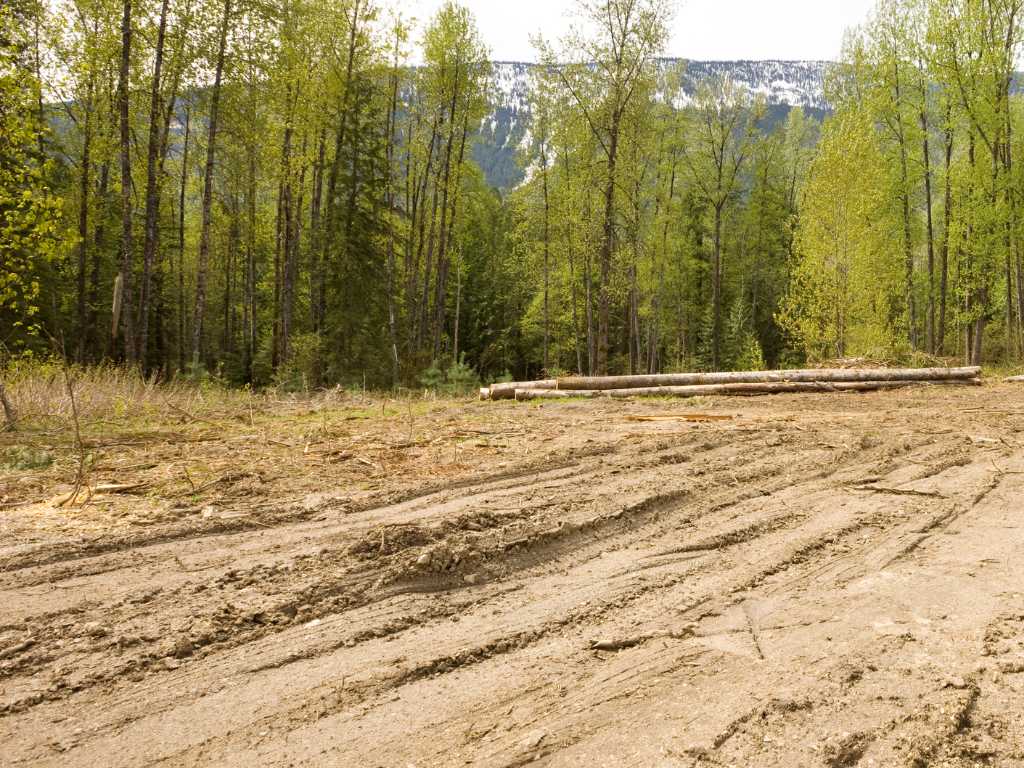
Why This Process Can Feel Overwhelming, And Why That’s Normal
Land clearing involves moving parts that most homeowners don’t deal with every day, permits, soil conditions, property lines, equipment access, and disposal logistics. It’s completely understandable to feel uncertain about where to start.
The good news is that with a little preparation and the right information, you can approach the process with confidence. Taking the time to assess your property before any clearing begins puts you in a much stronger position, whether you’re managing a small backyard lot or a larger parcel of land.
Key Takeaways
Before brush and lot clearing in Bristol CT begins on your property, it’s worth pausing to confirm your property boundaries, understand local permitting requirements, assess what’s actually on the land, consider soil and drainage conditions, and think through your goals for the cleared space.
Each of these steps helps ensure the work goes smoothly and that the end result actually meets your needs. A well-prepared site leads to a cleaner, more efficient job, and fewer surprises along the way.
If you’d like to learn more or explore your options, SKJ Tree Removal is available to help guide you through what to expect for your specific property in Bristol, CT and the surrounding area.
Frequently Asked Questions
Do I need a permit for land clearing in Bristol, CT?
It depends on the size and location of the project. Clearing near wetlands or in certain zoning districts often requires approval. Contacting the Bristol Planning and Zoning Department before starting is always recommended.
How do I know if my property has wetlands?
Connecticut’s Inland Wetlands maps are available through the state’s DEEP (Department of Energy and Environmental Protection) website. Your town’s land use office can also help you identify regulated areas on or near your property.
What’s the difference between land clearing and brush clearing?
Brush clearing typically refers to removing smaller vegetation like shrubs, vines, and low growth. Land clearing is a broader term that can include removing trees, stumps, debris, and grading the surface, essentially preparing a site for future use.
When is the best time of year to clear land in Connecticut?
Late fall through early spring is often ideal, the ground is firmer, there’s less vegetation to work around, and the risk of disturbing nesting wildlife is lower. However, wet winters can delay access, so conditions vary year to year.