Imagine stepping into your backyard only to find sticky residue on your deck, clusters of mysterious eggs on your trees, and insects feasting on your garden plants. This alarming scenario is becoming a reality for homeowners and gardeners across the state, as the spotted lantern fly Connecticut infestation continues to expand. Originally from Asia, the spotted lantern fly has spread rapidly across the United States, causing significant damage to trees, plants, and crops. Its presence in Connecticut has become a growing concern for both the agricultural sector and residential areas. Understanding this invasive pest, its risks, and how to control it is essential for anyone looking to protect their property and the local ecosystem.
What Is the Spotted Lantern Fly?
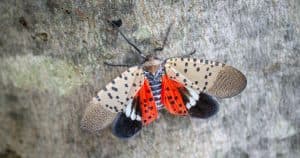
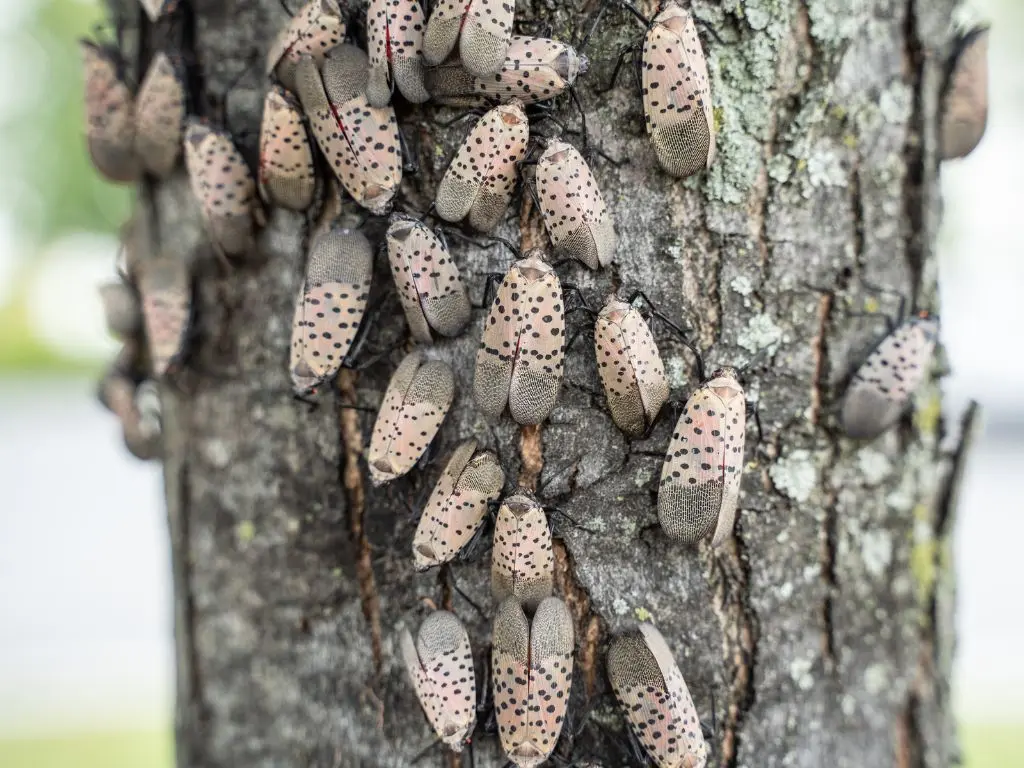
The spotted lantern fly (Lycorma delicatula) is an invasive planthopper known for its striking appearance. Adult insects are approximately one inch long, with gray wings featuring black spots and bright red hind wings. Nymphs, or immature lantern flies, start as black with white spots and turn red as they grow. These pests feed on the sap of more than 70 plant species, including grapes, fruit trees, maples, and other hardwoods. Their feeding weakens plants, making them susceptible to disease and potentially killing them over time.
How the Spotted Lantern Fly Impacts Connecticut
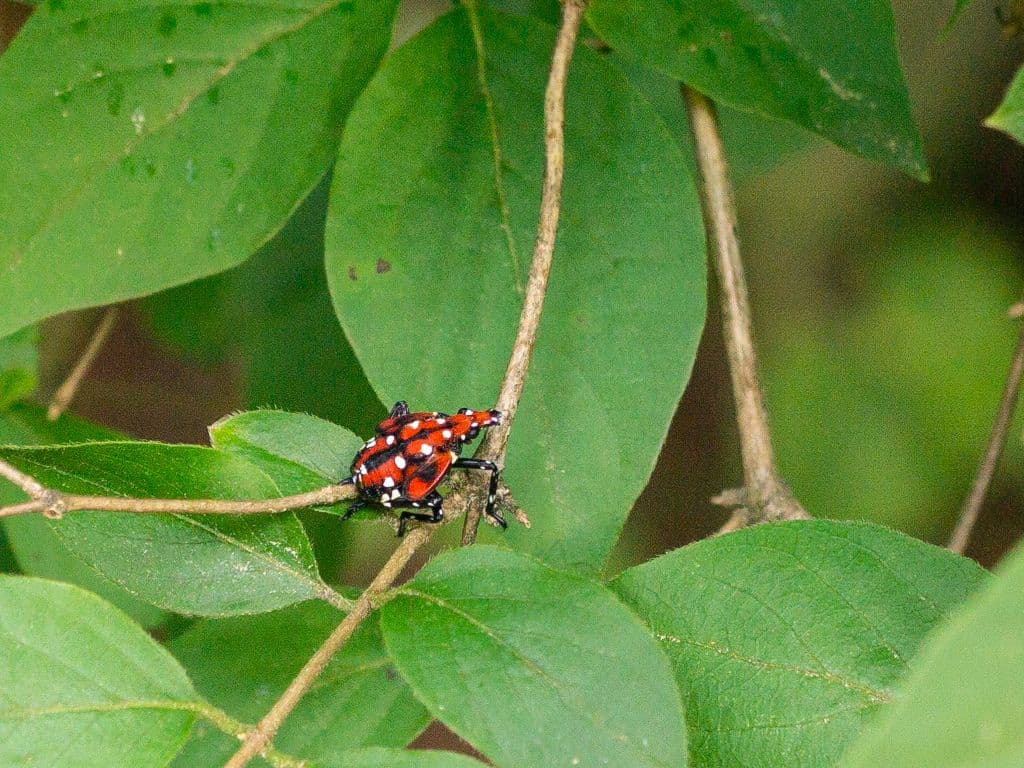
In Connecticut, the presence of the spotted lantern fly Connecticut is particularly concerning due to the state’s diverse agriculture and dense suburban forests. These insects damage plants by piercing stems and excreting a sugary substance called honeydew. This honeydew encourages the growth of sooty mold, which can cover leaves and reduce photosynthesis, ultimately stunting plant growth. For vineyards and orchards, the spotted lantern fly poses a significant economic threat, reducing both yield and quality of crops.
Beyond agriculture, homeowners may notice the sticky residue on decks, patios, and outdoor furniture, creating an unpleasant and hard-to-clean nuisance. Trees in urban and suburban areas, particularly maples and tree-of-heaven (Ailanthus altissima), are at high risk of infestation, leading to weakened landscapes and costly removals.
How to Identify an Infestation
Early detection of the spotted lantern fly Connecticut is key to controlling its spread. Signs of infestation include:
- Clusters of egg masses on trees, stone walls, vehicles, and outdoor equipment. The eggs appear grayish-brown and are covered with a waxy substance.
- Large numbers of adult or nymph insects feed on plants.
- Honeydew accumulation and the growth of sooty mold on leaves and surrounding surfaces.
Regularly inspecting trees, especially in late summer and early fall when adults are most active, can help homeowners take action before infestations become severe.
Steps to Prevent and Control Spotted Lantern Fly
While controlling these pests can be challenging, several measures can help limit their impact:
- Remove Tree-of-Heaven: This invasive tree is a preferred host. Eliminating it from your property reduces breeding sites.
- Scrape Egg Masses: During the fall and winter, carefully scrape egg masses into a container with rubbing alcohol to destroy them.
- Use Insecticides Carefully: Targeted insecticides can reduce populations, but should be applied according to local regulations and safety guidelines.
- Report Sightings: Notify local agricultural or environmental authorities if you spot spotted lantern flies. Early reporting helps slow the spread in Connecticut.
Stay Informed and Protect Your Property
As the spotted lantern fly Connecticut continues to spread, awareness and proactive measures are crucial. Homeowners, gardeners, and farmers should educate themselves on identification, monitoring, and control strategies to safeguard their plants and trees. By taking these steps, residents can help minimize the impact of this invasive species and protect both their property and the local environment.