
A fallen or unstable tree can be alarming, whether it’s blocking your driveway or dangling dangerously over your roof. In these moments, it’s crucial to stay calm, act quickly, and know who to call. This guide will walk you through exactly what to do if you’re faced with a hazardous tree situation in Connecticut.
1. Stay Safe First
Before anything else, check your surroundings. If a tree has fallen near your home or across your yard, do not approach it until you’ve determined it’s safe. Stay far away from any downed power lines—these are extremely dangerous and should only be handled by professionals.
If someone is injured or if there’s an immediate threat to safety (like a tree falling onto a home or vehicle), call 911. Emergency responders can help secure the area and ensure everyone is safe.
2. Evaluate the Damage
Once you’ve ensured everyone is okay and the area is secure, take a moment to assess the situation from a safe distance. Ask yourself:
- Did the tree damage your home, car, or other property?
- Has it fallen across a road, sidewalk, or public area?
- Is it interfering with power lines or utilities?
Understanding the extent of the damage will help you determine who you need to contact next. In some cases, the responsibility may lie with your city or utility company rather than with you.
3. Know Who to Contact
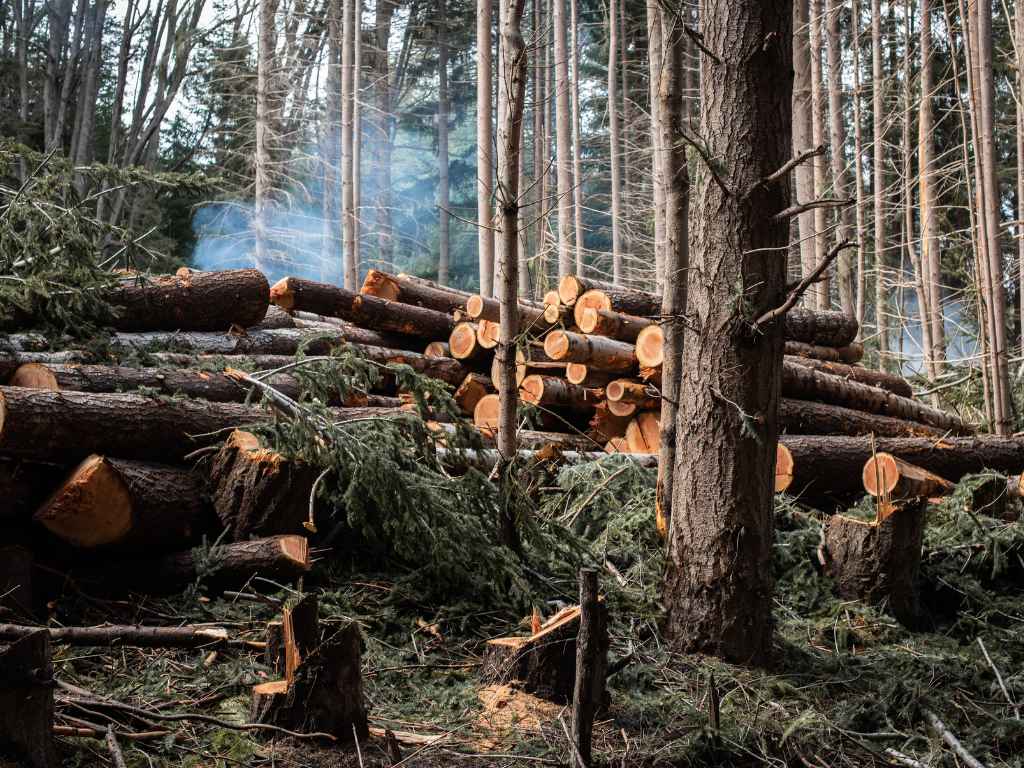
Depending on where the tree has fallen and what it has affected, here’s who to get in touch with:
- Utility company: If the tree is tangled with power lines or has caused an outage.
- City or town services: If the tree is blocking a public road or sidewalk.
- Insurance provider: If your property has been damaged, start the claims process as soon as possible.
- Professional tree service: For clean-up, removal, and safe handling of fallen or hazardous trees on your property.
It’s especially important not to delay calling a tree service if the tree is still unstable. Waiting too long can increase the risk of further damage or injury.
4. Skip the DIY — Call the Pros
It might be tempting to grab a chainsaw and start chopping up the fallen limbs yourself. But tree removal can be incredibly dangerous, especially when dealing with large branches, broken trunks, or hidden hazards like electrical wires.
Trained professionals have the equipment and experience to handle the job safely and efficiently. Attempting hazardous tree removal in CT on your own could result in serious injury or additional property damage.
If you’re looking for help with hazardous tree removal CT homeowners can rely on, make sure to choose a certified and insured tree company with emergency response capabilities.
5. Take Preventative Steps for the Future
Once the immediate danger is handled, it’s a good time to think ahead. Many fallen trees show signs of decline long before they come down. You can avoid future emergencies with a few proactive measures:
- Schedule regular inspections of trees near your home.
- Remove dead or weak limbs before they become a threat.
- Prune overgrown branches that hang near structures or power lines.
- Watch for signs of disease or decay, like mushrooms at the base or deep cracks in the trunk.
A trusted tree care provider can help identify potential problems and recommend steps to keep your landscape safe.
6. Call a Tree Removal Expert You Can Trust

When disaster strikes, SKJ Tree Removal is here to help. Our team specializes in hazardous tree removal CT property owners can count on, offering fast and reliable service when you need it most. From emergency storm response to careful tree assessments, we’re equipped to handle every situation with care and professionalism.
Don’t wait until it’s too late. Whether you’ve already got a fallen tree or you’re worried about one that’s leaning a little too far, give us a call today. We’re proud to help Connecticut homeowners stay safe, prepared, and protected year-round.
We service most of CT with a special focus on Cheshire, Southington, Avon, Meriden, Prospect, Burlington and surrounding area. Learn more specifically about why people call our tree service New Hartford CT.


