If you’re a homeowner in Burlington considering tree removal, it’s natural to feel a bit overwhelmed. Between city regulations, safety concerns, and environmental considerations, the process can seem complicated. This guide explains what the city of Burlington tree removal rules mean for homeowners and what you can expect along the way.
How Tree Removal Works in Burlington
Burlington has specific rules designed to protect both residents and the city’s natural environment. Generally, trees of a certain size or located in public spaces may require a permit before removal. Some trees are protected due to their age, species, or historical significance, and removing them without approval can result in fines.
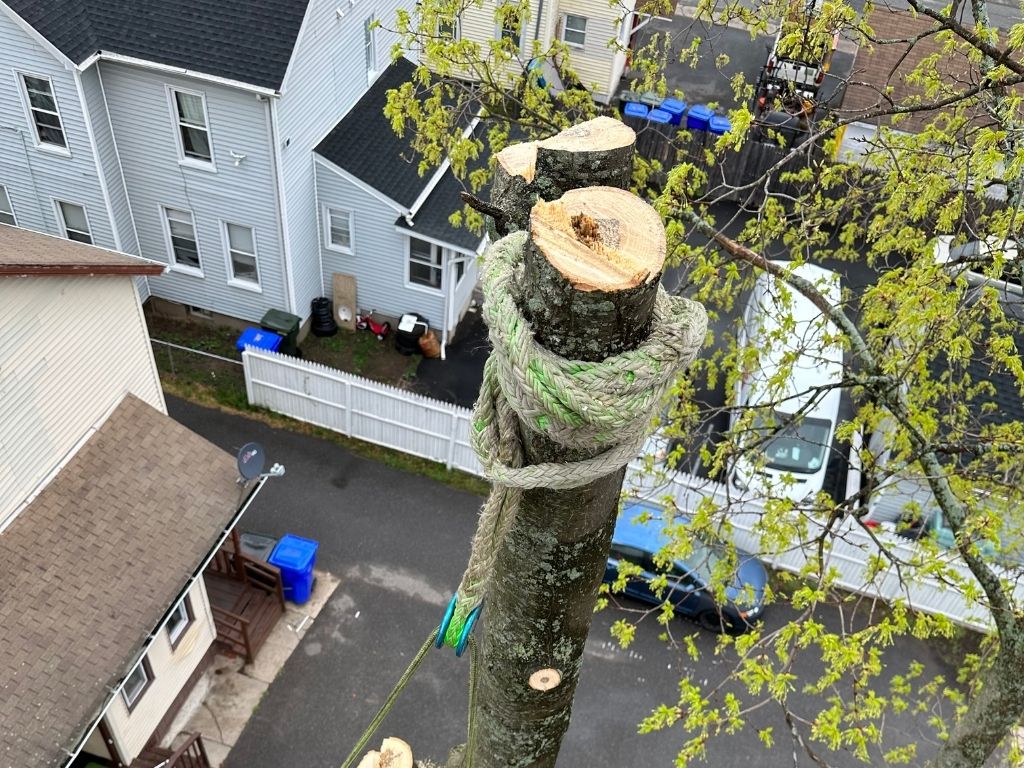
Homeowners often wonder if they can remove a tree on their property themselves. While small trees may not require professional intervention, larger or older trees near buildings, fences, or power lines pose safety risks. That’s why many residents choose to work with local tree removal professionals in Burlington who understand the city’s rules and have the right tools to manage the job safely.
Preparing for Tree Removal
Before scheduling any work, it helps to understand a few key steps. First, identify the tree and assess its condition. Is it dead, diseased, or leaning dangerously? Next, confirm whether a permit is needed by consulting the city’s planning or public works department. Even if a permit isn’t required, consulting experts can provide insight into potential risks and proper removal methods.
For homeowners who need guidance, tree removal services in Burlington can help with evaluations, safe removal techniques, and cleanup. For trees that do require a permit, the application process may include submitting information about the tree’s size, species, and location. Once approved, homeowners can plan removal while considering safety and proper disposal.
A simple way to think about the process is:
- Check if a permit is required.
- Evaluate the tree’s health and location.
- Consult experts if necessary.
This keeps the process structured without feeling overwhelming.
Common Challenges and What to Expect
Even with preparation, tree removal can be tricky. Large trees or those close to structures require careful planning, and not all city rules are immediately obvious. Understanding Burlington tree removal regulations is essential to avoid mistakes or fines. Protected trees, permit requirements, and environmental guidelines add layers of complexity. Knowing these factors ahead of time helps homeowners make informed decisions.
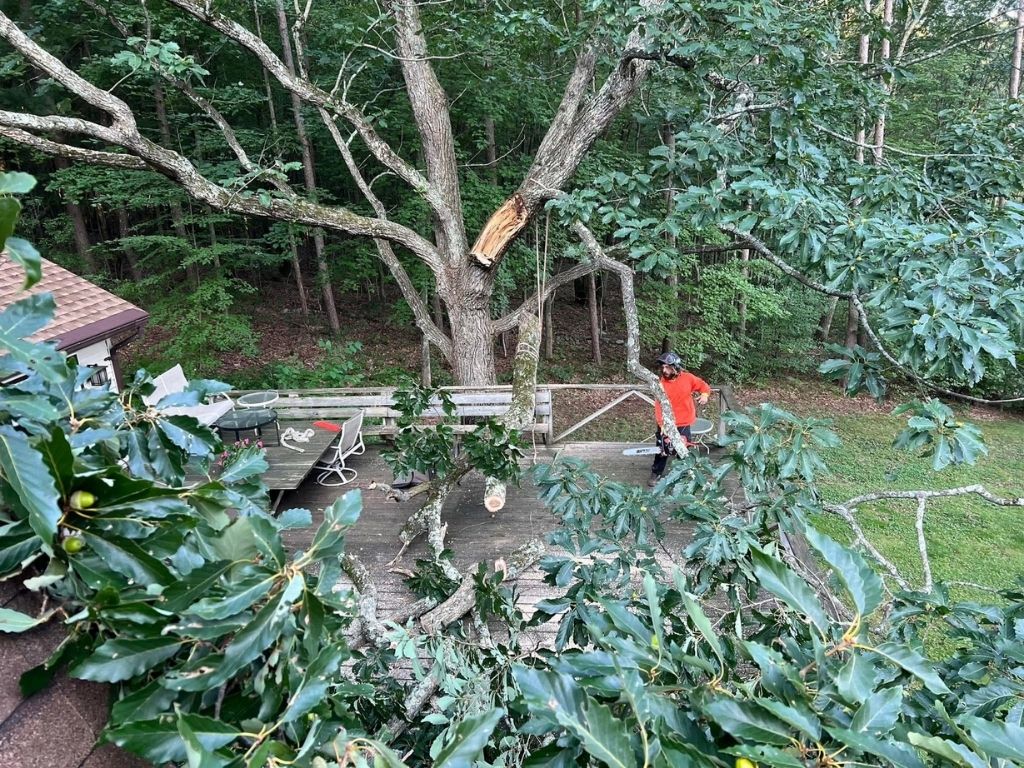
It’s also important to remember that tree removal is more than cutting a trunk—it involves evaluating risks, planning debris removal, and sometimes replanting to maintain neighborhood greenery. Being aware of potential challenges reduces stress and ensures the process is safe and compliant.
Key Takeaways
Navigating Burlington tree removal involves awareness, preparation, and a careful approach. Key points include:
- Confirm whether a permit is required.
- Understand which trees are protected.
- Consider consulting local tree removal professionals.
- Plan removal with safety and environmental care in mind.
Taking these steps helps homeowners manage tree removal confidently while staying within local regulations.
If you’d like to learn more or explore support options, SKJ Tree Removal is available to help.
Quick FAQ
- Do all trees in Burlington require a permit?
No. Typically, only larger trees or those on public property need approval, but it’s best to check the Burlington tree removal regulations first. - Can I safely remove a tree myself?
Small trees may be manageable, but large trees near structures or power lines require professional expertise. - What are the consequences of removing a protected tree?
You may face fines and could be required to replace the tree or pay a mitigation fee. - How can I find qualified tree removal professionals in Burlington?
Start by contacting local tree removal professionals or companies offering tree removal services in Burlington. Make sure they are familiar with city rules and safety best practices.